
News · November 2019
Consultation and dissemination with community stakeholders and Department of Health
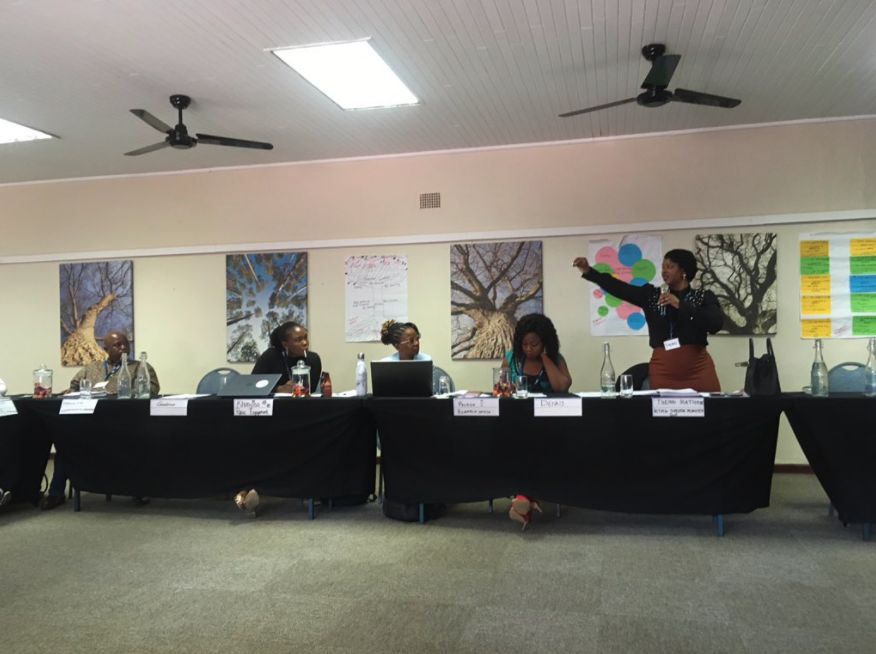
To take forward recommendations from evaluation of the first action learning cycle, we convened a consultation and dissemination workshop on 13 November 2019 with officials from Mpumalanga province, Ehlanzeni district, Bushbuckridge sub-district and local health facilities, together with community representatives from three villages within the MRC/Wits Agincourt HDSS. The objectives: disseminate research processes and evidence; explore skills exchange focused on community participation; and identify resources and future activities.
“We can avert service delivery protests with collaborative learning platforms. Thank you DoH for giving us an ear to speak to you.”Community stakeholder
Discussion centred on three themes. On community engagement in health systems and planning: the need to understand community priorities and plan programmes from their perspective, working through existing structures such as the Integrated Development Plan and clinic committees while addressing their implementation challenges. On opportunities for change within a decentralised health system: the role of CHWs within PHC re-engineering, challenges in monitoring and administration, and the value of safe spaces for service providers to share challenges and collectively find solutions. On multi-sectoral collaboration: organisational culture, the disconnect between quick solutions and complex problems, and the need for collaboration platforms that build cohesion between the Department, CHWs and communities — “You can’t have an ideal clinic when you have no water.”
VAPAR provides collaborative learning platforms bringing together concerned actors for collective progression towards shared priorities; the process continued in February 2020, taking these results into the second cycle’s design.