
News · November 2016
Whose voices count? Doing research on the health of the poor
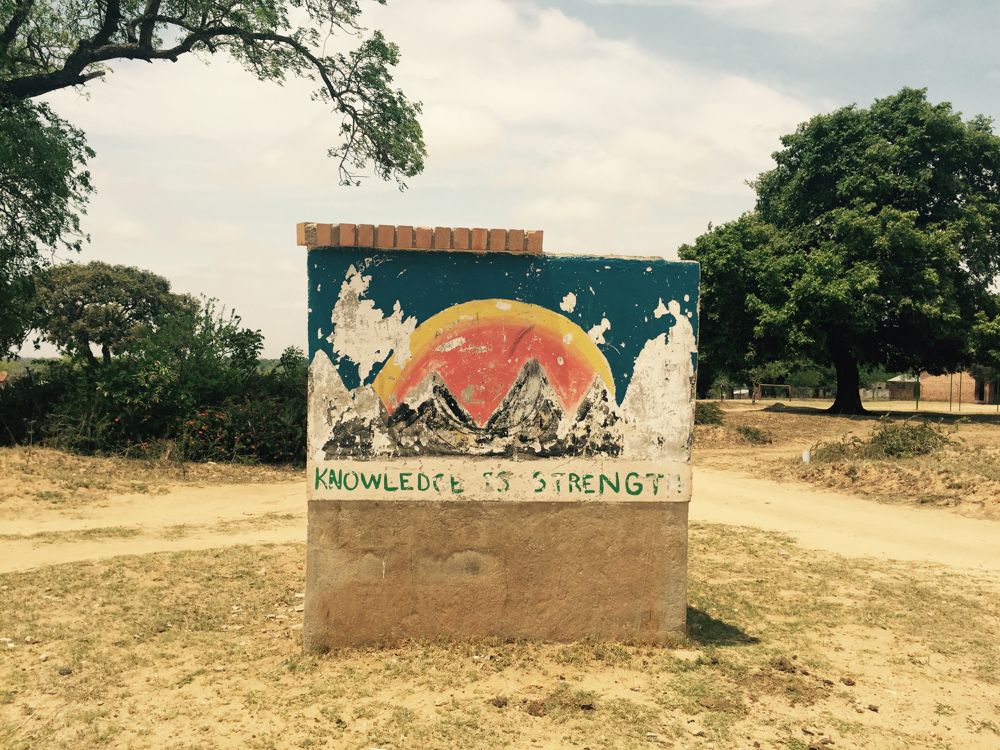
Part of the ESRC Festival of Social Science, 7 November 2016. How should we be doing research with people living in poverty, who are hard to reach, vulnerable, disadvantaged and socially excluded? People living in deprived conditions have crucial perspectives on inequalities, and through authentic engagement can provide important evidence for public policy.
This seminar brought together researchers working in different world regions to explore ‘people-centred’ and ‘action-oriented’ research on social and health inequalities. By people-centred research, we mean working with and for people who are directly affected by the issues being investigated; by action-oriented, we mean research that is embedded in contexts where the knowledge outputs can be acted upon for positive change. At the seminar we also launched the Centre for Global Development at the University of Aberdeen, a centre of excellence committed to equity, social justice and sustainable futures.
Making people count: the unequal world of global health data
Professor Peter Byass, Director, Umeå Centre for Global Health Research. An individual’s likelihood of having their birth and death officially registered still varies enormously around the world — what does this imply for health planning and policy making, to say nothing of that individual’s health? Peter worked in global health for 30 years, particularly around Africa, measuring health in meaningful ways and exposing some of the massive global inequities in health and disease. Presentation
Working with people: a people-centred, action-oriented research project in South Africa
Dr Lucia D’Ambruoso, Deputy Director, Centre for Global Development. Recent estimates suggest two-thirds of the world’s deaths pass unrecorded, seriously limiting the ability of health systems to respond to the needs of vulnerable and excluded populations. In settings where health systems are fragile and under-resourced, where new burdens of disease are rapidly emerging, and where large and diverse populations are excluded from access to care, innovative approaches are needed that connect the registration of vital events to health care systems. The talk reported on a project employing a bottom-up philosophy connecting with population data at source. Presentation