
News · October 2016
Improving data, improving health: verbal autopsy for health systems strengthening
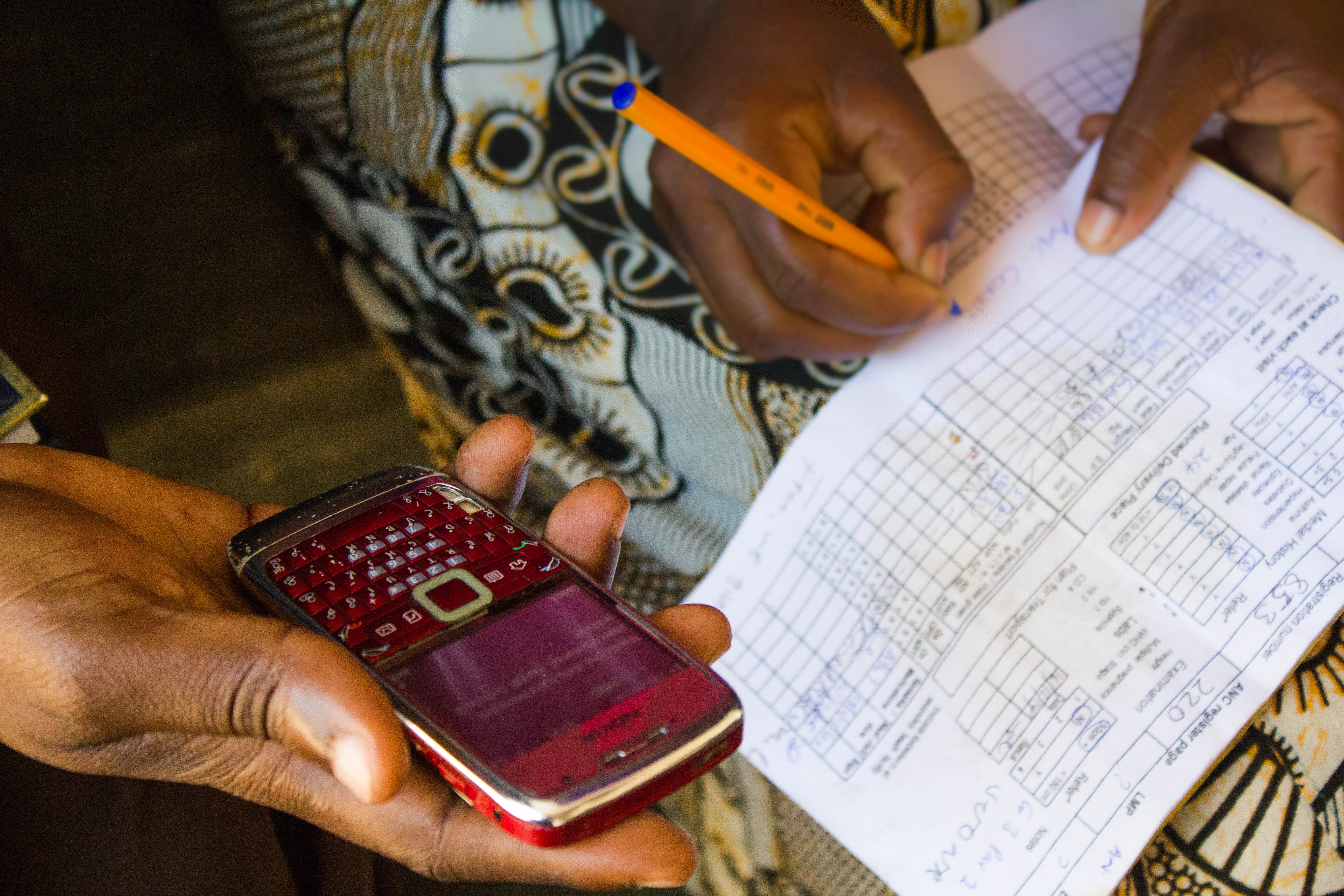
Seminar at University College London, 17 October 2016. The majority of deaths in Africa and Asia are never recorded. Verbal autopsy (VA) determines causes of death using an interview with witnesses of the death, interpreted to conclude medical causes. The seminar reflected on innovations in VA including automated and mobile VA, examined contextualised approaches to understanding why people die outside facilities or without registration, and explored how VA information can be made available as part of a health systems approach — consolidating methods with the potential to bring together communities and policy makers with better data and improved capacity for evaluation. Participants joined from the WHO Information, Evidence and Research Unit, the Umeå WHO Collaborating Centre for VA, the Centre for Global Development at Aberdeen, the Malaria Consortium, the Africa Health Research Institute, UCL Institute for Global Health and Lancet Global Health. Programme
Keynote · Monitoring mortality and causes of death in the SDG era
Dr Ties Boerma, Director, Department of Information, Evidence and Research, WHO. Cause-specific mortality is the foundation of public health, and mortality targets are prominent in the SDGs 2016–2030. Death registration with medical certification and ICD-10 coding is the standard, yet coverage and quality are low in over 100 countries and an estimated two-thirds of deaths go unrecorded globally. Strengthening civil registration and vital statistics, alongside wider application of verbal and social autopsy, has considerable potential to improve cause-of-death information in high-mortality countries. Presentation
Keynote · Learning from mortality: pragmatic verbal autopsy for better health
Professor Peter Byass, Director, Umeå Centre for Global Health Research. In much of today’s world, individual deaths are unlikely to be registered — yet cause-of-death registration is the obvious entry point to understanding population health problems and needs. New approaches to verbal autopsy make this possible in principle, but need wide implementation. Presentation
Mobile VA, technological advances and ethical priorities
Dr Edward Fottrell, UCL Institute for Global Health, presented on mobile verbal autopsy, technological advances and the ethical priorities they raise.
Keynote · Social autopsy: a method to examine opportunities for health intervention
Dr Karin Källander, Senior Research Advisor, Malaria Consortium. Effective implementation of child survival interventions depends on improved understanding of the cultural, social and health-system factors affecting utilisation of care. Standardised instruments now exist for collecting and interpreting information on common barriers to care, risky behaviours and missed opportunities for intervention in deceased children under five and pregnancy-related deaths. The session described the social autopsy methodology, its development, and how it helps researchers, implementers and district stakeholders understand where delays take place and which interventions can be most effective. Presentation
Verbal Autopsy with Participatory Action Research (VAPAR) in South Africa
Dr Lucia D’Ambruoso, University of Aberdeen. VAPAR is a people-centred health systems research method with three main elements: VA is extended to describe mortality in terms of social and health-system circumstances, complementing medical causes; the extended VA data are verified and amplified with local knowledge through a Participatory Action Research process in which communities organise evidence for action; and throughout, the method is embedded in the health system at different levels to ensure practical relevance. Presentation
Interfacing: making connections within and between states, through data dynamics, and with the international community
Dr Kobus Herbst, Deputy Director, Africa Health Research Institute. Verbal autopsy is increasingly moving from the confines of health and demographic surveillance systems to CRVS systems, and HDSSs are increasingly confronted by the need not just to observe local populations but to provide an intervention framework responding to those observations. Drawing on 16 years managing an HDSS in an area heavily affected by HIV, and on the INDEPTH Network data-sharing programme across more than 50 sites, the talk reflected on the interfaces between HDSS and local health services, and on HDSSs as data producers nationally and internationally. Presentation